
Congratulations! You’ve made it to the one-year mark with your little one. This is a monumental milestone filled with incredible developmental leaps, first steps, and budding personalities. However, it’s also a period famous for sleep disruptions. Just when you thought you had a good thing going, the 12-month sleep regression might hit, often coinciding with the tricky transition from two naps to one.
Crafting and maintaining a solid sleep schedule for your 12 month old is the cornerstone of navigating this phase successfully. It’s not just about clock-watching; it’s about understanding your toddler’s evolving needs and providing the consistency they crave to feel secure and sleep soundly. This comprehensive guide will walk you through everything you need to know, from sample schedules to expert sleep training tips, empowering you to help your entire family get the rest you deserve.
Read Also: Indian Home Remedies for Snoring
Understanding Your 12-Month-Old’s Sleep Needs
At twelve months old, your baby is no longer a tiny infant but is blossoming into a curious, active toddler. Their sleep architecture is maturing, resembling that of an adult more closely, but they still require a significant amount of total sleep to support their rapid physical and cognitive development. Understanding these fundamental needs is the first step to building a schedule that works.
How Much Total Sleep Does a 12-Month-Old Need?
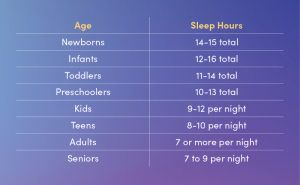
Most sleep experts and pediatricians agree that a typical 12-month-old needs between 12 and 14 hours of total sleep in a 24-hour period. This is usually broken down into 10-12 hours of consolidated sleep at night and 2-3 hours of daytime sleep split between one or two naps.
It’s crucial to remember that these numbers are averages. Some toddlers will naturally need slightly more (a 13-hour night and a 3-hour nap) and some will thrive on slightly less. The key indicator is not strictly the clock, but your child’s behavior. A well-rested toddler is generally happy, engaged, and meeting their developmental milestones. If your child is consistently fussy, clumsy, or has difficulty focusing on activities, they may need an adjustment to their sleep schedule to ensure they are getting enough quality rest.
The Science of Sleep: Why Consistency is Key for Toddlers
Consistency in your 12 month old’s sleep schedule does more than just create predictability for your day; it directly impacts your child’s circadian rhythm. This is their internal biological clock that regulates the sleep-wake cycle. Consistent wake-up times, nap times, and bedtimes help solidify this rhythm, making it easier for your toddler to fall asleep and stay asleep.
The circadian rhythm is highly influenced by light exposure and melatonin production. A predictable routine signals to the brain when it’s time to wind down and produce sleep hormones and when it’s time to be alert. Disruptions to this rhythm, like highly variable bedtimes, can lead to increased night wakings, early mornings, and nap resistance. By protecting a consistent schedule, you are working with your child’s biology, not against it, to promote healthier sleep patterns.
Recognizing Signs of Sleep Readiness and Overtiredness
Tuning into your child’s cues is perhaps the most valuable skill you can develop. Putting your baby down for a nap at the precise moment they are tired—but not overtired—is the golden ticket to easy bedtimes.
Signs of Sleep Readiness (The “Sweet Spot”):
- Slowing down of activity
- Becoming quieter or less engaged with toys
- Rubbing eyes
- Yawning
- A slight glazed look in the eyes
- Pulling at ears or hair
Signs of Overtiredness (The “Danger Zone”):
- Fussiness, crying, and irritability
- Hyperactivity or seeming “wired”
- Arching the back or stiffening the body
- Fighting sleep vehemently when offered
- Appearing clumsy or having more frequent falls
An overtired child produces cortisol and adrenaline (stress hormones) to fight fatigue, making it much harder for them to settle into sleep. Learning to spot the early, subtle signs of tiredness will make sticking to your 12 month old sleep schedule infinitely smoother.
A Sample 12-Month-Old Sleep Schedule (With Flexibility)
The biggest question at this age is: are we on one nap or two? The answer is that most 12-month-olds are still firmly on two naps. However, some may begin to show signs of readiness to transition to one nap between 12 and 18 months. It’s important to follow your child’s lead rather than the calendar. Here are sample schedules for both scenarios.
Sample Schedule for a Two-Nap Day
This is the most common schedule for a 12-month-old. The wake windows (the time between sleep periods) are typically between 3 and 4 hours.
- 7:00 AM: Wake up for the day, milk feed
- 8:00 AM: Breakfast
- 10:00 AM: Morning nap (approx. 1 – 1.5 hours). Aim for a wake window of 3-3.5 hours from morning wake-up.
- 11:30 AM: Wake from nap, milk feed
- 12:00 PM: Lunch
- 2:30/3:00 PM: Afternoon nap (approx. 1 – 1.5 hours). Aim for a wake window of 3.5-4 hours from the end of the first nap.
- 3:30/4:00 PM: Wake from nap, optional milk feed or snack
- 5:00 PM: Dinner
- 6:30 PM: Begin bedtime routine (bath, pajamas, book, milk feed)
- 7:00 PM: Bedtime. Aim for a wake window of 3.5-4 hours from the end of the last nap.
Sample Schedule for a One-Nap Day (The Early Transitioner)
If your child is consistently fighting the second nap for over two weeks, they might be ready to transition. Start by slowly pushing the morning nap later until it merges into a single midday nap.
- 7:00 AM: Wake up for the day, milk feed
- 8:00 AM: Breakfast
- 10:30 AM: Small, high-protein snack to bridge to nap
- 11:30 AM: Lunch
- 12:00 PM: Nap (aim for 2 – 3 hours). This is a longer, consolidated nap.
- 2:30/3:00 PM: Wake from nap, milk feed
- 5:00 PM: Dinner
- 6:00 PM: Light snack
- 6:30 PM: Begin bedtime routine
- 7:00 PM: Bedtime
How to Adjust Wake Windows Based on Your Baby’s Cues
These schedules are templates, not commandments. The most effective sleep schedule for your 12 month old is the one that aligns with their unique sleep cues. If your baby on a two-nap schedule is suddenly taking 30 minutes to fall asleep for their morning nap, their wake window needs to be extended. Try pushing the nap 15 minutes later every few days until they are falling asleep within 10-15 minutes of being put down.
Similarly, if they are waking crying after only 45 minutes of a nap, they likely need help connecting sleep cycles. Sometimes a slightly shorter or longer wake window can make all the difference. Be a detective and adjust based on what you observe.
Navigating the 12-Month Sleep Regression and Nap Transition
This is often the crux of sleep issues at this age. Parents frequently report sudden night wakings, nap fights, and fussiness. It’s vital to determine the root cause to address it effectively.
Is It a Regression or a Nap Transition? How to Tell the Difference
A regression is a temporary disruption in sleep patterns caused by a developmental leap. At 12 months, this includes learning to walk, a language explosion, and separation anxiety peaking. Your child’s brain is so busy practicing new skills that it intrudes on sleep. This usually lasts 2-6 weeks.
A nap transition is a permanent shift in sleep needs. The signs are more consistent and prolonged:
- Consistently fighting the second nap for over two weeks (either refusing to sleep or taking very long to fall asleep).
- Taking a very long morning nap, making an afternoon nap impossible without pushing bedtime too late.
- Suddenly waking very early in the morning, indicating the two-nap schedule is creating a sleep debt.
Often, a regression can trigger nap resistance that then reveals an underlying readiness to transition.
Top Tips for Successfully Transitioning from Two Naps to One
If you’ve determined it’s time to transition, do it gradually. An abrupt switch will lead to an overtired, cranky toddler.
- Push the Morning Nap Later: Start by moving the morning nap 15-30 minutes later every few days. Offer a engaging activity or get outside to distract them.
- Temporarily Bring Back a Micro-Nap: If the goal is a 12:30 PM nap but your child is melting down at 10:30 AM, offer a 15-20 minute catnap in the car or stroller to bridge the gap. Keep it short to preserve sleep drive for the big nap.
- Protect Bedtime: During the transition, you will likely need to move bedtime earlier, sometimes as early as 6:00 or 6:30 PM, to prevent overtiredness. This is temporary.
- Be Patient: This transition can take a month or more to fully solidify. There will be good days and bad days.
Establishing a Consistent Pre-Nap and Bedtime Routine
Routines are powerful cues that signal to your toddler’s brain that sleep is coming. It doesn’t have to be long or complicated. A 10-minute routine for naps and a 20-30 minute routine for bedtime is perfect.
Sample Pre-Nap Routine: Close the curtains, read one short book, sing a specific song, place in the crib with a lovey, and say a key phrase like “Time for rest, I love you.”
Sample Bedtime Routine: Bath, put on pajamas and sleep sack, brush teeth, read 2-3 books in a dim room, sing a lullaby, white noise on, into crib awake, goodnight kiss. Consistency in the order of events is what makes it so effective.
Sleep Training Methods Suitable for a 12-Month-Old
At 12 months old, your child is highly aware and can understand cause and effect more clearly. This makes certain sleep training methods very effective. The goal of any method is to teach your toddler the invaluable skill of falling asleep independently—without feeding, rocking, or patting—so they can self-soothe during natural night wakings.
The Chair Method: A Gentle Approach for Toddlers
This method involves gradually reducing your presence in the room. It’s a great option for parents who want to offer comfort but are ready to stop hands-on assistance.
- On night one, sit in a chair next to your child’s crib until they fall asleep. You can offer verbal reassurance (“Shhh, it’s sleep time”) but avoid picking them up or physical contact unless they are extremely distressed.
- Once they are falling asleep with you sitting nearby, move the chair a few feet further away every few nights.
- Continue moving the chair slowly toward the door until you are eventually outside the room. This process can take a week or two.
The Ferber Method (Check-and-Console): Modified for Older Babies
Often mischaracterized as “cry-it-out,” the Ferber method involves progressive waiting intervals where you check on your child without picking them up.
- Put your child down awake and leave the room.
- If they cry, wait for a pre-determined period (e.g., 5 minutes), then go in for a very brief check (30 seconds max). Offer calm, reassuring words like “Mommy loves you, it’s time to sleep.” Do not pick them up.
- Leave again, even if they are crying, and wait for a longer interval (e.g., 10 minutes).
- Repeat, gradually lengthening the intervals between checks. The checks assure your child you are there, but the increasing intervals give them the space to practice self-soothing.
Fading Method: Reducing Parental Presence Gradually
This is ideal if your current method involves patting or shushing your child to sleep in the crib.
- Patting to Sleep: Start by patting your child until they are very drowsy but not fully asleep, then stop and see if they can drift off. If they fuss, start patting again. Over successive nights, pat less and less until your touch is just a hand on their back, then just your presence is enough.
- Verbal Reassurance: If you currently stand by the crib, slowly reduce the amount of talking and shushing you do each night until you are a silent presence, then you can begin using the Chair Method to move away.
The best method is always the one you can implement consistently. Consistency is the true engine of sleep training success.
Feeding and Nutrition’s Role in Your Toddler’s Sleep
What and when your 12-month-old eats plays a significant role in how well they sleep. With the shift to primarily solid foods, it’s important to ensure their diet supports stable energy and full bellies through the night.
Balancing Milk Feeds with Solid Foods for Better Sleep
By 12 months, solid foods should be the primary source of nutrition, with milk (whether breastmilk, formula, or starting whole milk) acting as a complement. Aim for about 16-24 oz of milk per day. Offering milk with meals, rather than as a separate event, helps ensure they are eating enough solid food. This is crucial because solid foods provide complex carbohydrates and proteins that keep them full for longer stretches than milk alone, which is digested more quickly. A toddler who is hungry will not sleep well.
The Ideal Pre-Bedtime Snack: What to Offer and What to Avoid
If dinner is early (e.g., 5:00 PM) and bedtime is at 7:00 PM, a small, sleep-promoting snack about 30-60 minutes before bed can help top them off. The goal is to combine tryptophan (an amino acid) with a complex carbohydrate to help promote serotonin and melatonin production.
Great Options:
- A small bowl of whole-grain, low-sugar cereal with whole milk
- A slice of whole-wheat toast with a thin layer of nut butter
- A small banana and a few sips of milk
- Plain yogurt with a sprinkle of oats
Options to Avoid:
- Sugary snacks (cookies, fruit pouches with added sugar) which can cause energy spikes.
- Large volumes of liquid right before bed, which can lead to a full bladder and disrupted sleep.
Navigating Weaning from Night Feeds (If You Haven’t Already)
Most 12-month-olds who are growing well and eating sufficient solids during the day do not need calories at night. Night feeds are typically a habit. If you are ready to wean, you have a few options:
- Cold Turkey: If you are confident they don’t need the food, you can stop offering feeds cold turkey and use your chosen sleep training method to handle the wake-ups.
- Gradual Weaning: Reduce the amount of milk in the bottle by 1-2 ounces every few nights, or cut down the nursing time by a few minutes each night. Once the amount is very small, you can stop offering it altogether.
- Water Swap: Some parents find success by offering a sip of water from a sippy cup instead of milk during a night waking. This addresses thirst without reinforcing the feeding-to-sleep habit.
Always consult with your pediatrician before weaning night feeds to ensure it’s appropriate for your child.
Comparison of Common Sleep Training Methods for a 12-Month-Old
This table provides an at-a-glance comparison of the methods discussed to help you choose an approach that aligns with your parenting philosophy and your child’s temperament.
| Method | How It Works | Best For | Pros | Cons | Estimated Timeline for Success |
|---|---|---|---|---|---|
| The Chair Method | Parent sits in a chair next to the crib and gradually moves it further away every few nights until out of the room. | Parents who want to provide physical presence and comfort; toddlers with high separation anxiety. | Very gentle; offers constant reassurance; less crying than full extinction. | Can be slow; requires immense patience; some children are more frustrated by parent’s presence. | 2-3 weeks |
| Ferber Method (Check-and-Console) | Parent puts child down awake and leaves, returning for brief, timed checks at progressively longer intervals. | Parents who want to check in but are ready for a more direct approach; children who are comforted by a quick visit. | Provides reassurance that parent is nearby; intervals teach self-soothing; often works quickly. | Check-ins can sometimes escalate crying for some toddlers; requires consistency with timing. | 3-7 days |
| Fading (Parental Presence) | Parent slowly reduces the amount of physical or verbal assistance given at bedtime (e.g., less patting, softer shushing). | Families where a parent is already heavily involved in the settling process; a very gradual approach is desired. | Extremely gradual and gentle; minimal tears for some children. | Can be a very slow process; requires careful observation and subtle changes. | 2-4 weeks |
| Full Extinction | Child is put down awake at bedtime and parents do not re-enter the room until a set morning time. | Parents who have tried other methods or whose children become more upset by check-ins. | Often the fastest method; eliminates any mixed signals. | Emotionally challenging for parents; initial crying can be intense. | 3-5 days |
Remember, the “best” method is the one you and your partner can agree on and implement consistently. There is no one-size-fits-all solution, but with patience, empathy, and a solid sleep schedule for your 12 month old, you will all be sleeping through the night soon.